

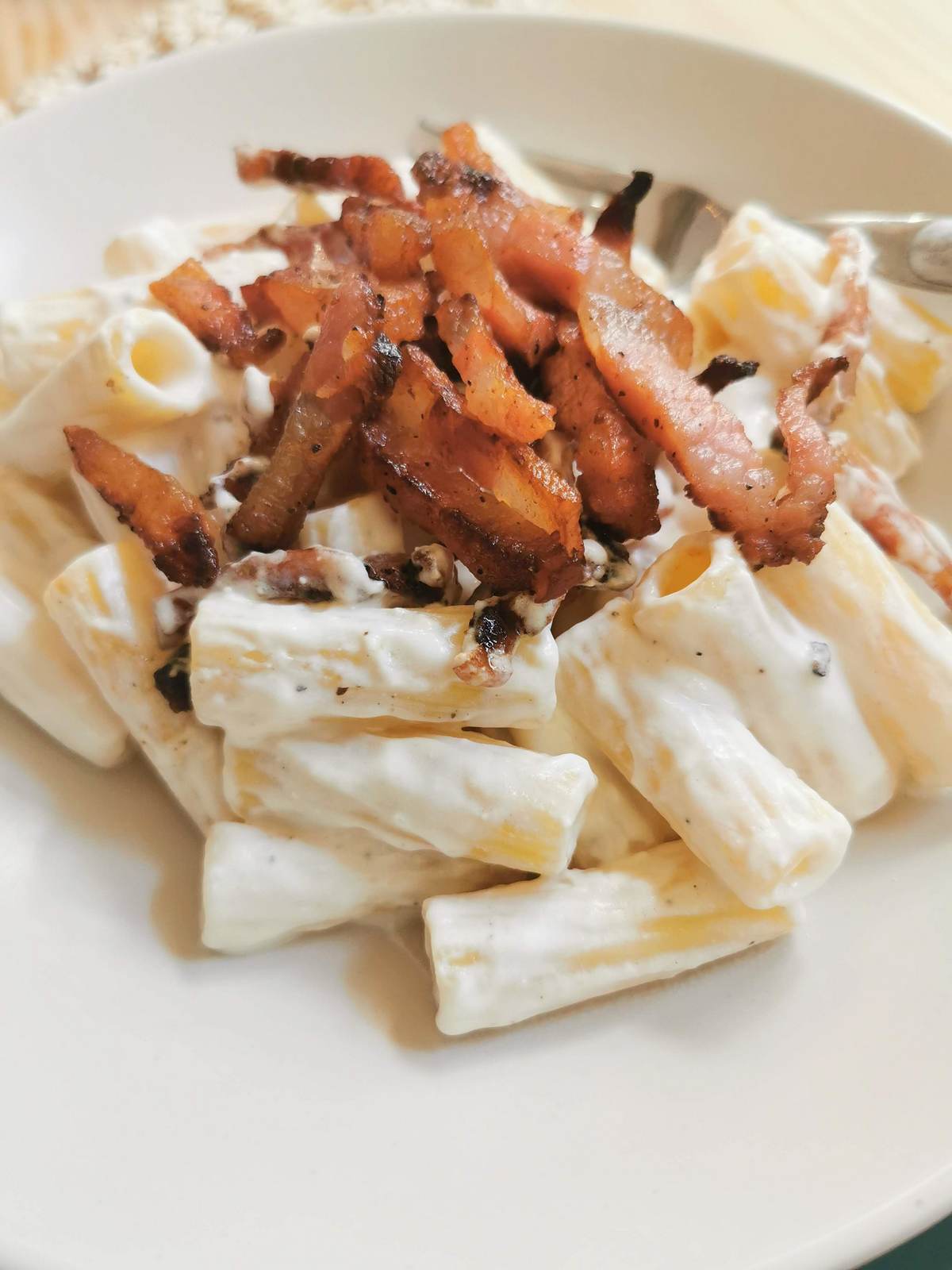
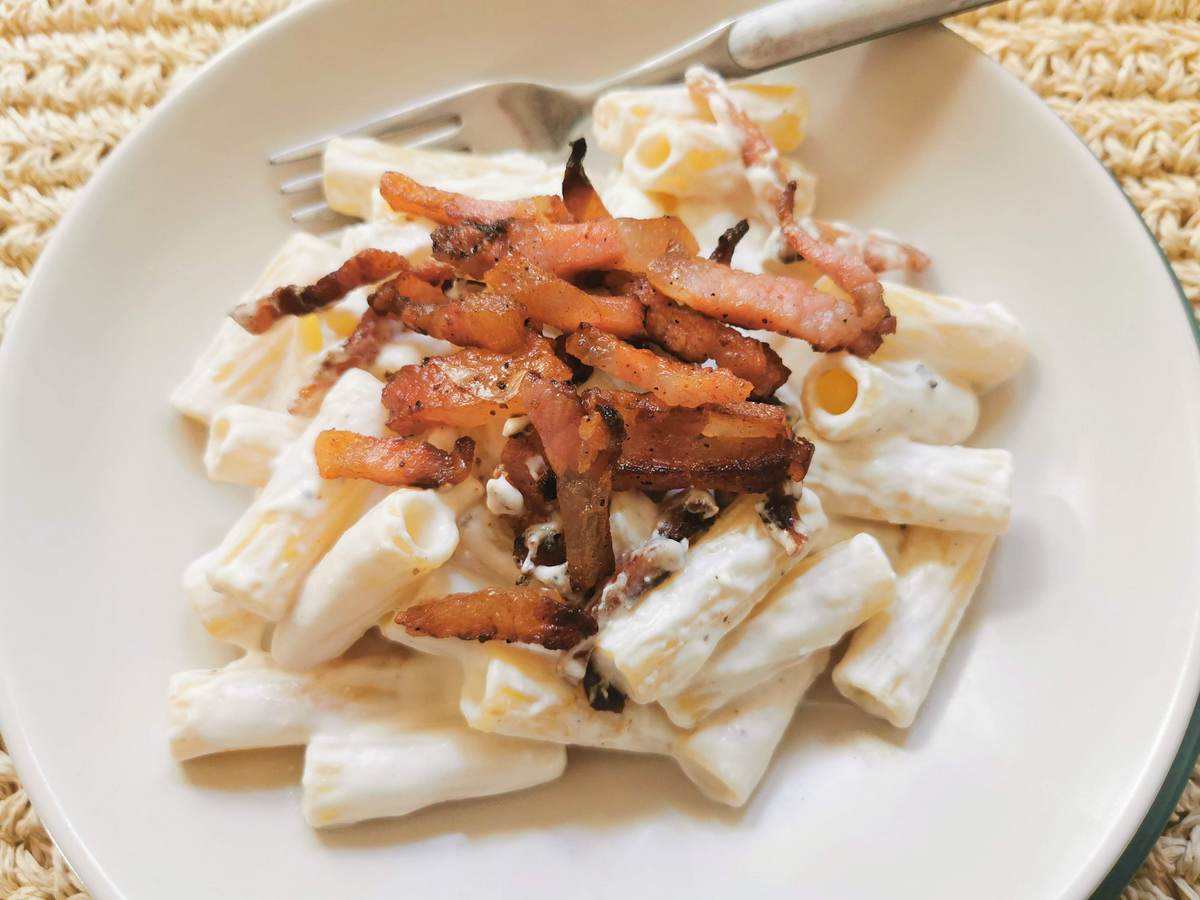
This 3-ingredient creamy Italian pasta recipe known as pasta alla pecorara Romana is so easy to make and absolutely delicious. All you need is pasta (usually rigatoni), ricotta, pecorino and guanciale and maybe 30 minutes of your time to have this Roman classic on the table. Perfect for busy weeknights and lovers of guanciale pasta recipes such as carbonara and amatriciana.
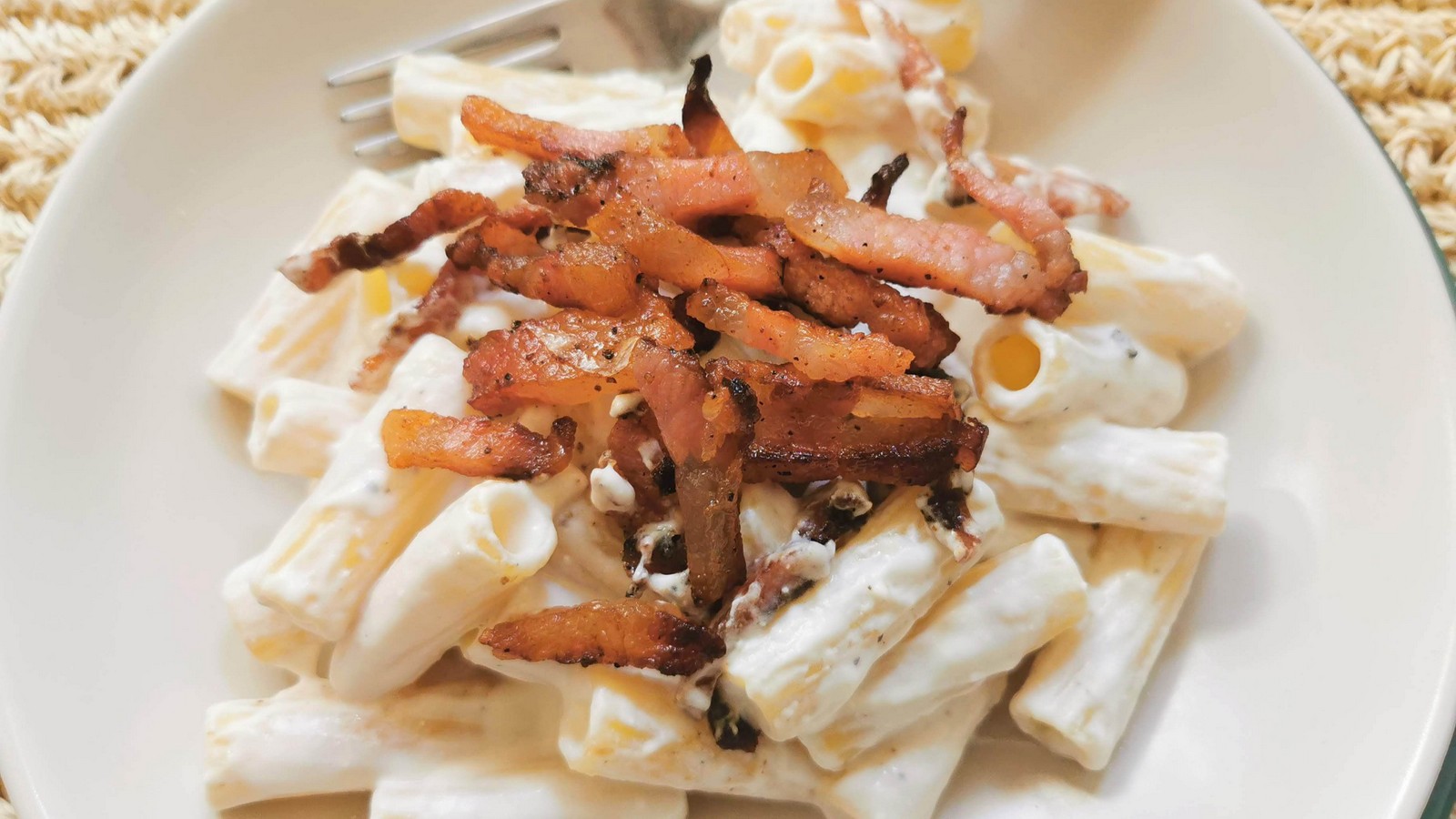
There are actually two versions of pasta alla pecorara in Italy. This simpler version comes from Rome and is fast, easy and creamy. The other recipe comes from Abruzzo, where it’s known as anellini alla pecorara or pecorara di Elice.
It is traditionally made with homemade anellini rings, tomato sauce and summer vegetables such as eggplant, zucchini and sweet peppers. Both recipes traditionally include sheep’s milk ricotta and pecorino cheese.
What does pecorara mean?
Pecorara comes from the Italian pecora, meaning sheep and pecoraio or pecoraro meaning shepherd. The name reflects the use of ingredients made from sheep’s milk, ricotta and pecorino cheese.
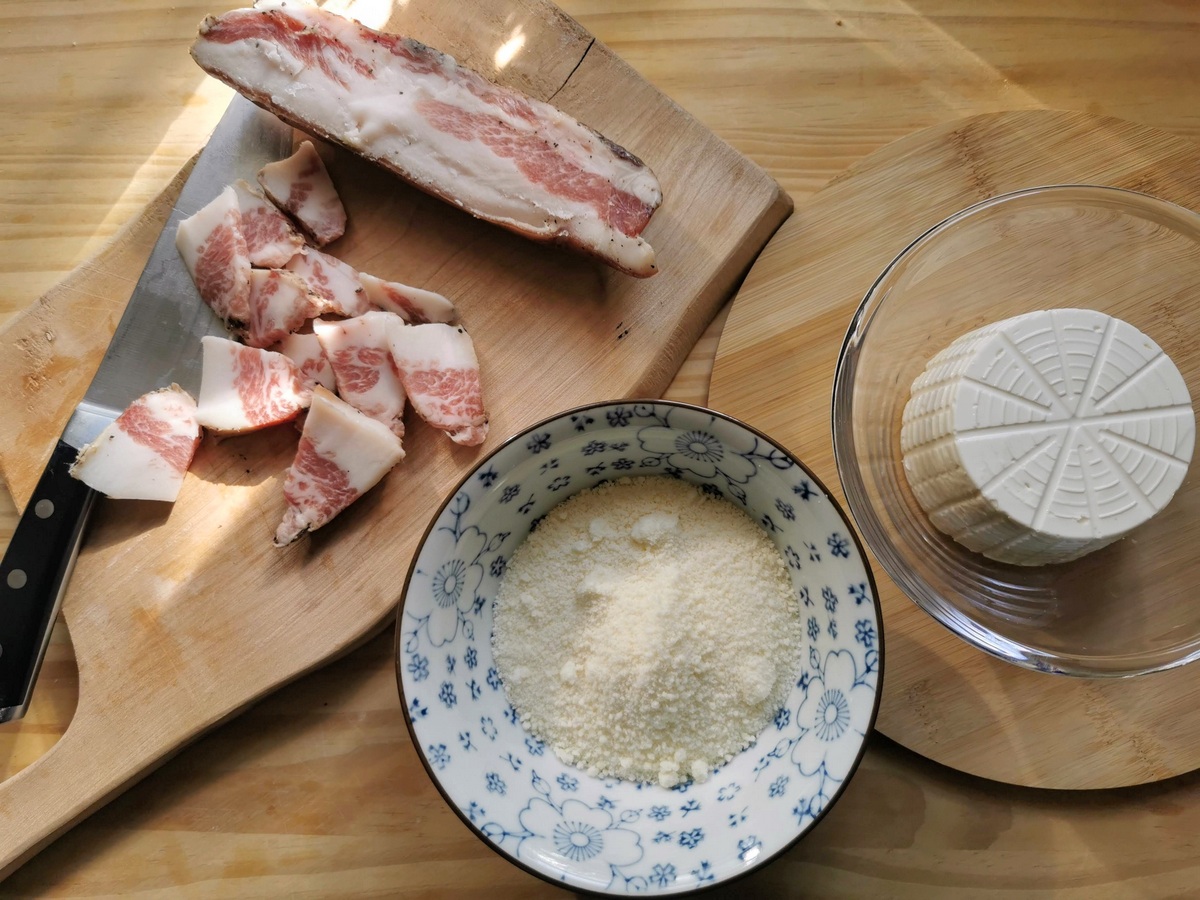
Ingredients for this Roman pasta alla pecorara.
As mentioned above, this is a simple recipe with very few ingredients.
The pasta
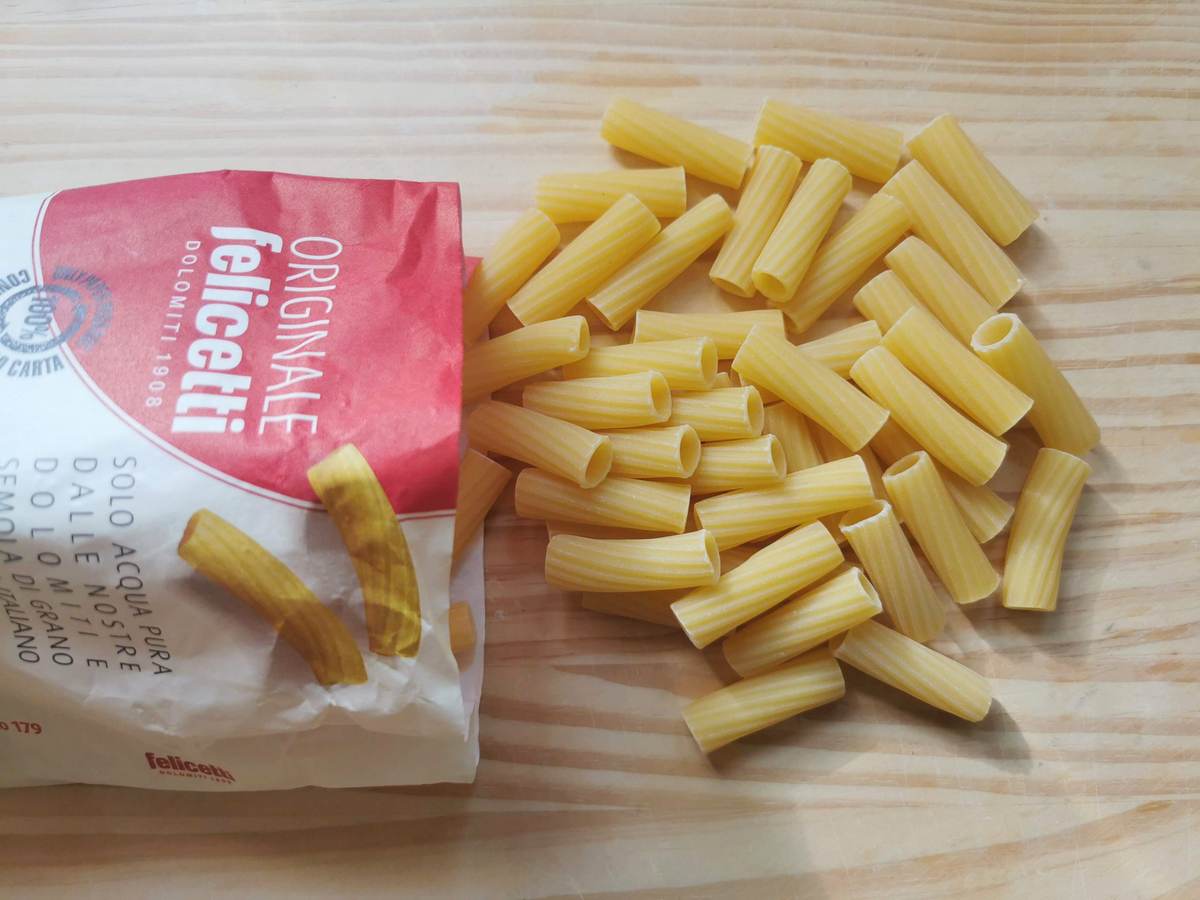
Whereas the version of pasta alla pecorara calls for homemade anellini, in this Roman version either rigatoni or mezze maniche are the most popular pasta types. However, some people make this recipe with spaghetti. I used rigatoni from pasta makers Felicetti.
The ricotta
Traditionally pasta alla pecorara has sheep’s milk ricotta in it. But of course, you can use cow’s milk ricotta instead. Here in Italy, we can also buy mixed ricotta (sheep and cow’s milk). I like to use that as well.
Sheep ricotta is traditional throughout Central and Southern Italy, particularly in mountainous areas. In Lazio, you can find pasta alla pecorara made with the ricotta Romana DOP, a ricotta made with sheep’s milk whey obtained from animals in the Lazio region that are pasture-grazed or fed on forage that grows in the region.
The guanciale
Guanciale is salt-cured pig jowl. It is a classic Italian ingredient used in many recipes, including pasta recipes. It’s particularly popular in Rome, where it appears in well-known pasta dishes such as carbonara, amatriciana, alla gricia and, of course, this rigatoni pasta alla pecorara.
Guanciale has a deep, much richer sweet-savory pork flavor than pancetta or bacon, and due to its high fat-to-meat ratio, it renders quite a lot of fat. However, it’s often substituted by pancetta because it’s more expensive and not so widely available, particularly outside Italy.
Pecorino Romano
Pecorino Romano is probably the most well-known of Italian sheep cheeses. It is made with whole milk from pasture-grazed sheep and has a particularly salty and slightly piquant flavor. Like guanciale, the Romans use it in many pasta recipes.
Instead of Pecorino Romano you can use other types of pecorino, or Parmigiano Reggiano (parmesan cheese) in this recipe.
Other ingredients.
The only other ingredients in this recipe are seasonings: salt, and freshly ground black pepper. Be cautious with the amount of salt you add to the ricotta sauce because guanciale and pecorino are quite salty. You may not need much or any.
Step by Step Instructions.
Step 1) Cut the guanciale into small strips or juliennes.
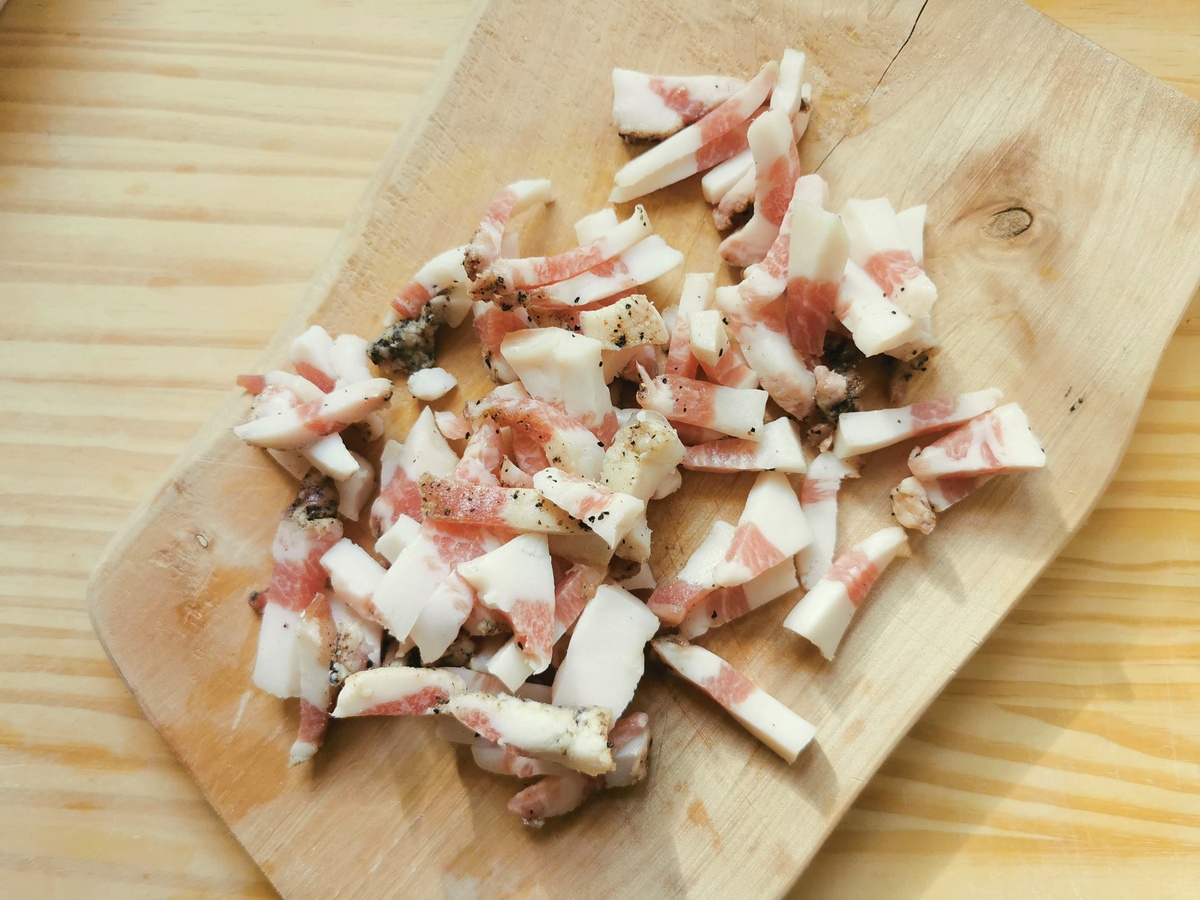
2) Then fry the guanciale strips over a low to medium heat without extra fat or oil. The guanciale will render enough fat to cook in. Be careful not to let it burn.
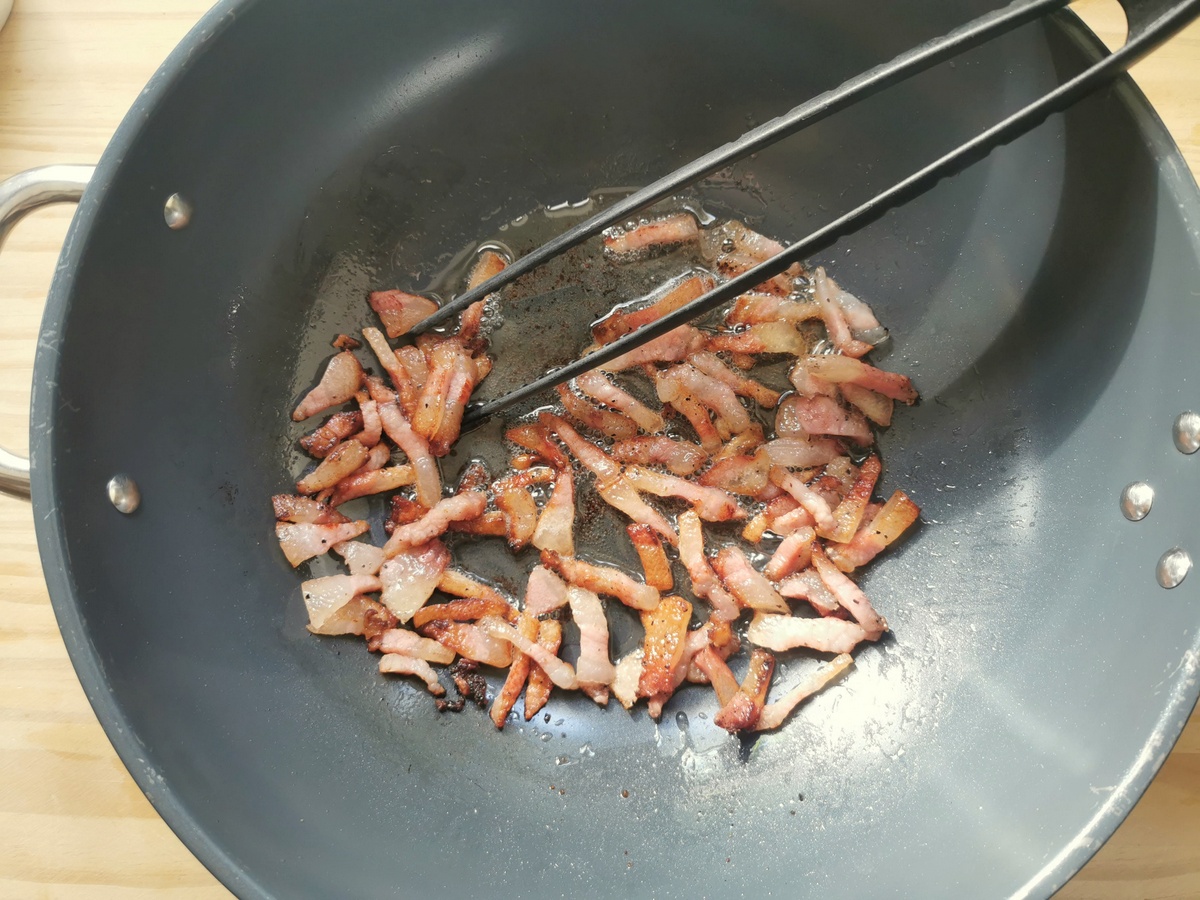
3) Once the guanciale is nice and crispy, remove it from the skillet and place on a kitchen paper lined bowl. Remove most of the fat from the skillet and set aside.
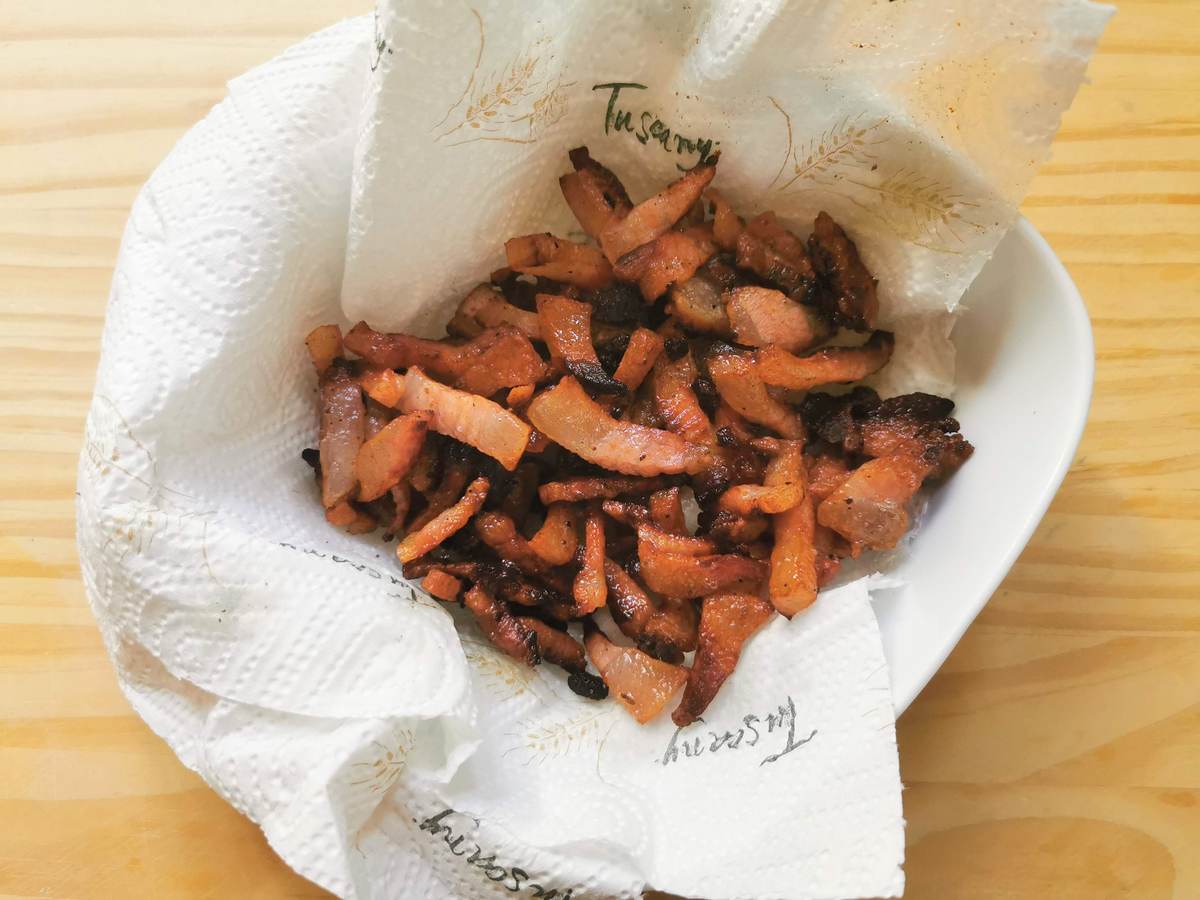
4) Put a pot of water onto boil for the pasta, add salt when it starts to boil and bring to a boil again. Cook the rigatoni al dente according to the package instructions.
5) While the pasta is cooking, cream the ricotta in a bowl with a fork.
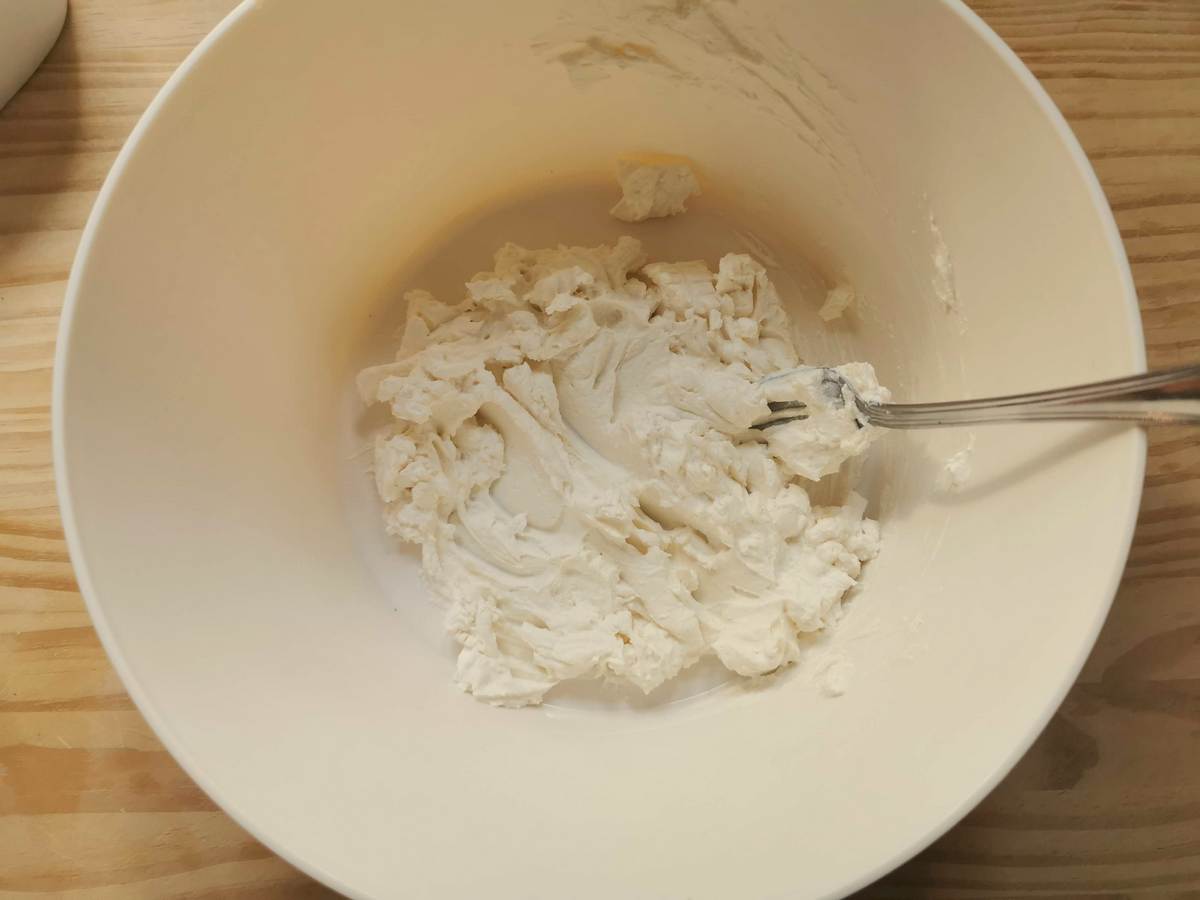
6) Add a couple of tablespoons of the guanciale fat you set aside, a ladle of the pasta cooking water, half the pecorino cheese, freshly ground black pepper and some salt, if required.
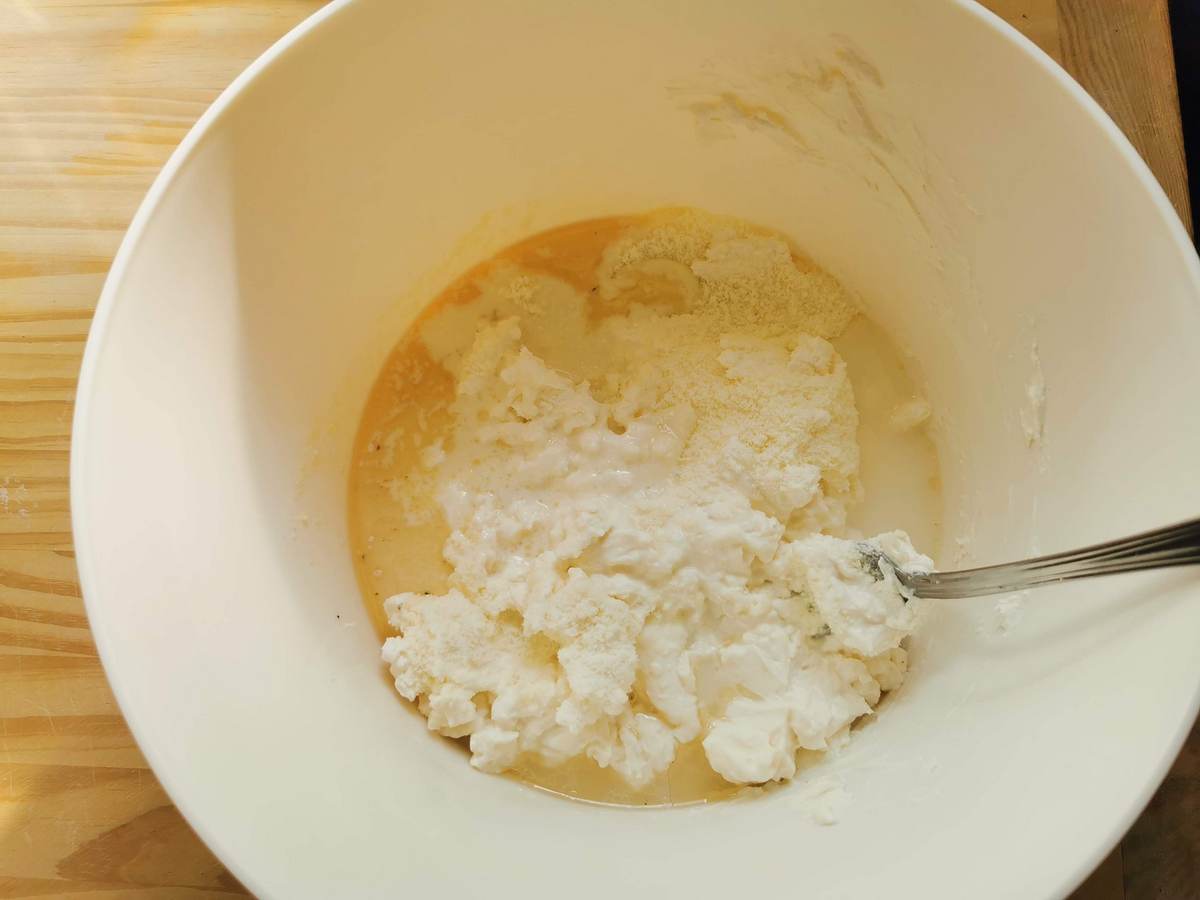
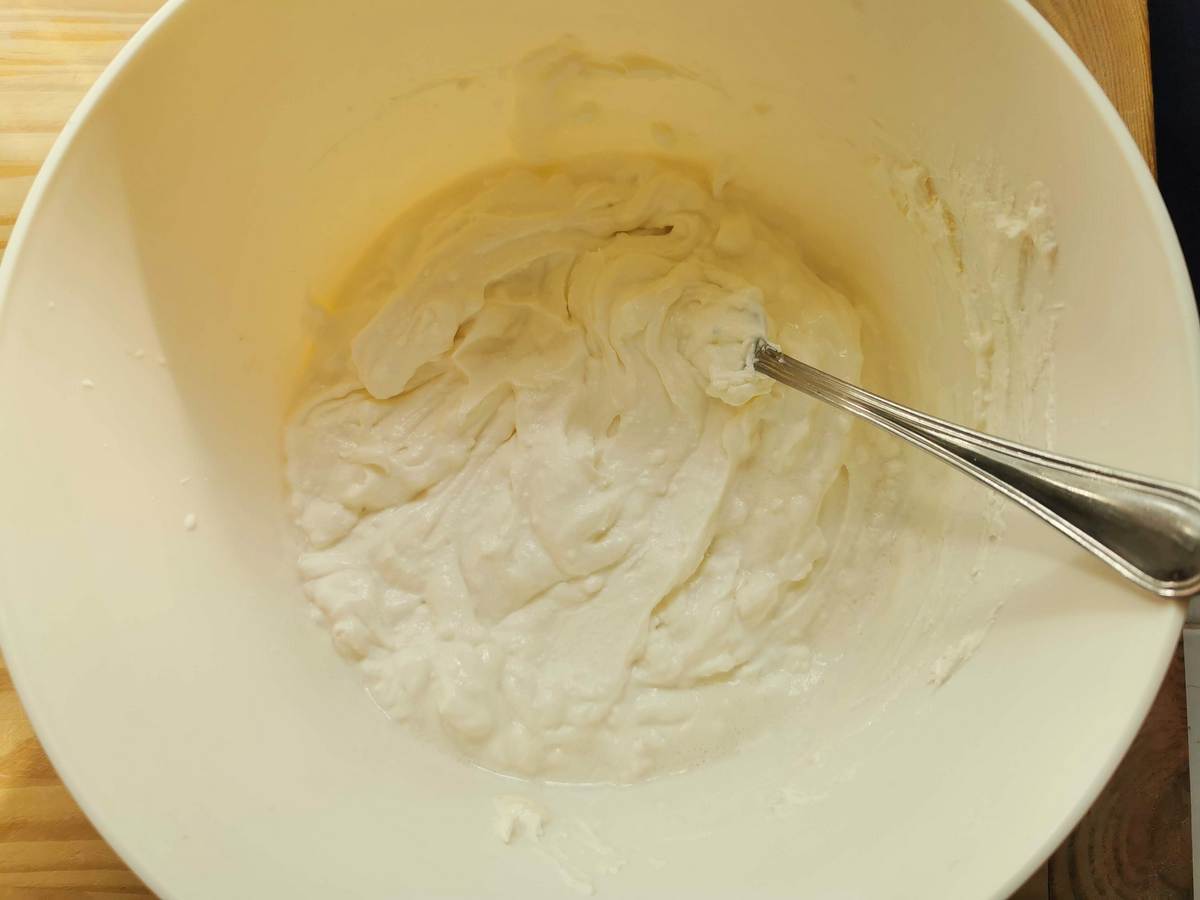
7) Mix everything together well until you have a creamy sauce. Add more pasta cooking water if needed.
8) Save a cup of pasta cooking water and drain the pasta. Add it to the skillet where you cooked the guanciale and toss over a low heat, so the pasta gets coated in some guanciale cooking fat.
9) Add the ricotta mixture, some more pasta cooking water and some more pecorino to the pasta and mix together well. Then add some freshly ground black pepper. The Romans love ground black pepper! (Think cacio e pepe!)
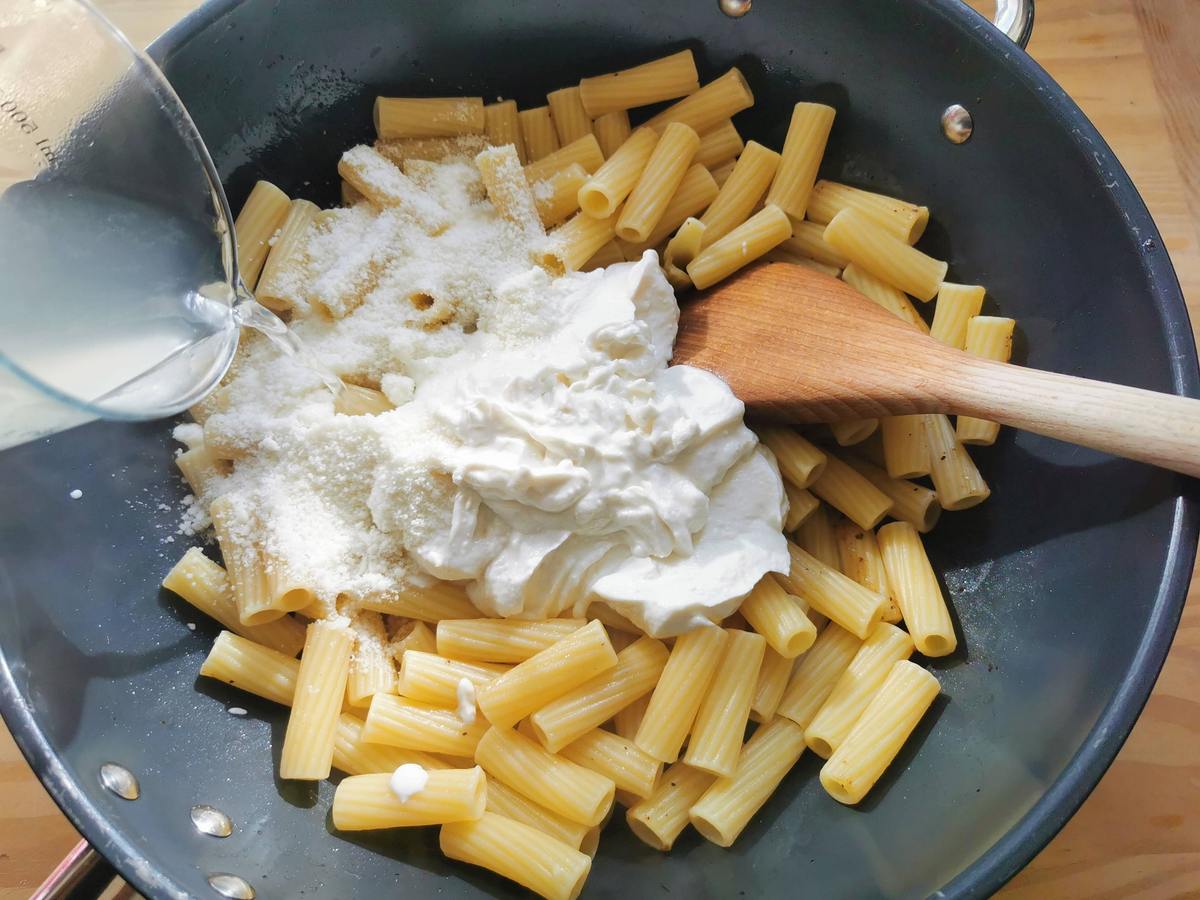
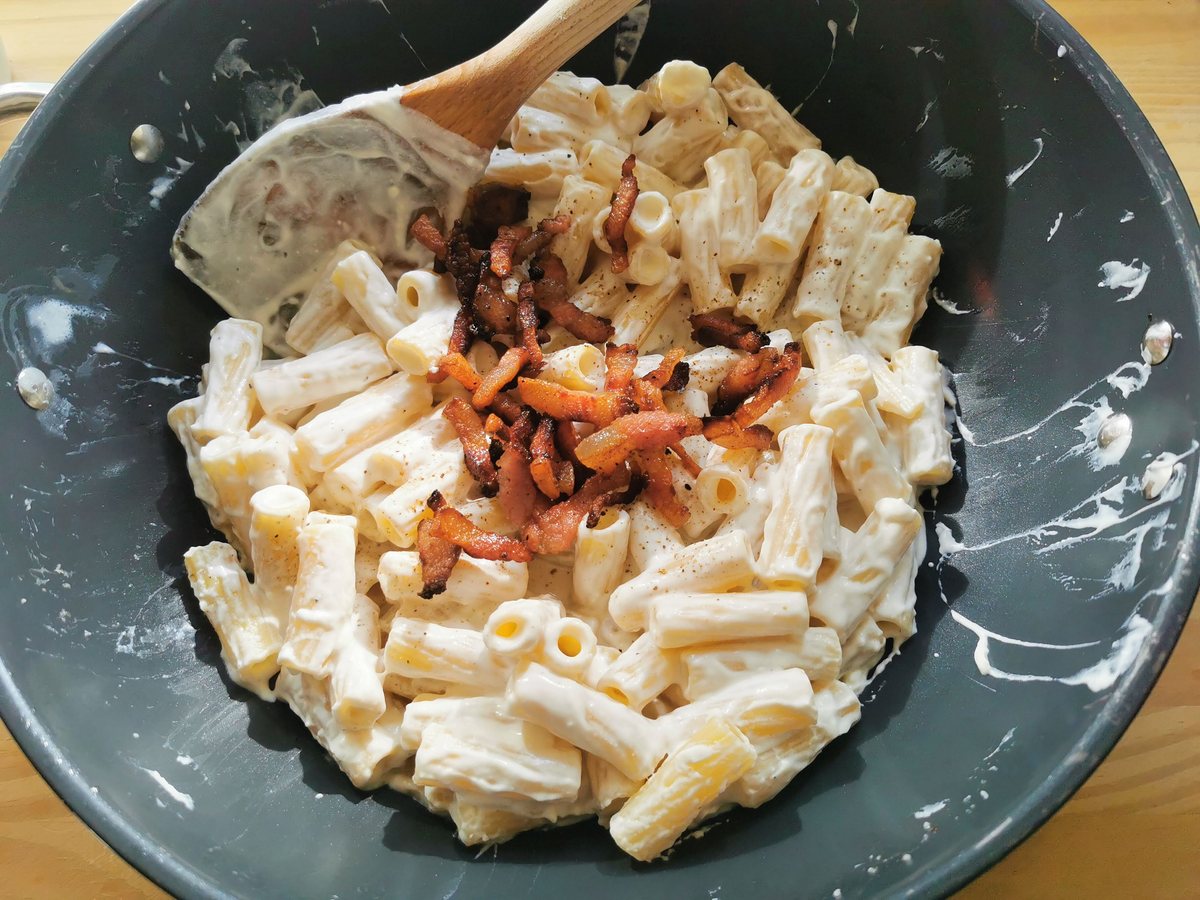
10) Finally put some of the crispy guanciale into the pot with the pasta, mix again and then serve with more guanciale added to each portion.
What to do with leftovers.
Pasta alla pecorara from Rome is best enjoyed freshly made. However, you can keep leftovers in the fridge for up to 3 days in an airtight container. The best way to enjoy leftovers is to bake them after heating the pasta and ricotta over a low heat with the addition of some milk until the ricotta melts into a creamy sauce. Then transfer to an oven dish and bake with a sprinkling of pecorino on top.
Let me know what you think
We love this pasta alla pecorara Romana recipe because it's so easy to make and yet super tasty. Full of traditonal Roman flavors, this is the perfect busy weeknight pasta dish! If you try this recipe, please let me know what you think.
Please leave a comment here on the blog or on The Pasta Project Facebook page.
Looking forward to hearing from you!
Buon appetito!
Save this recipe for later.
If you want to save this recipe for later, you can print it, bookmark this page or save it to Pinterest. Or, make your own online recipe box by clicking the ❤️ in the lower right corner of your screen & following the quick and easy instructions!
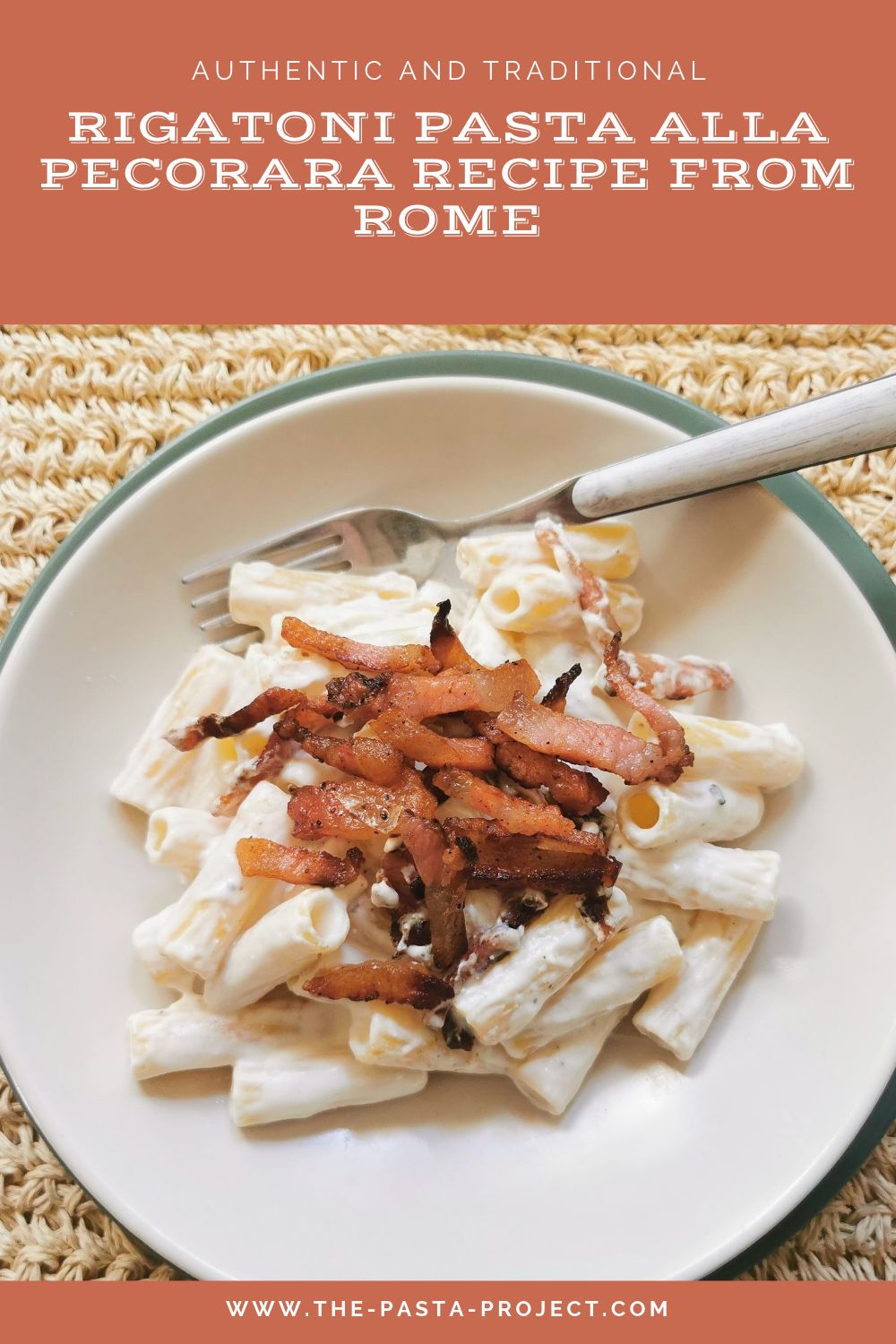
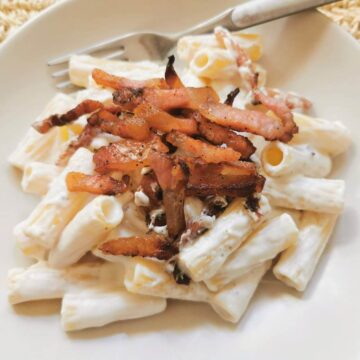
Pasta alla pecorara Romana recipe from Rome.

Equipment
- 1 large skillet to cook guanciale and mix pasta with sauce
- 1 large pot to cook pasta
- 1 sharp knife
- 1 chopping board
- 1 large bowl
Ingredients
- 11 ounces rigatoni pasta or other pasta tubes
- 9 ounces guanciale or pancetta
- 10.5 ounces fresh ricotta (sheep's milk or cow's milk)
- 2.5 ounces Pecorino Romano
- salt for pasta and to taste
- freshly ground black pepper.
Instructions
- Cut the guanciale into small strips or juliennes.
- Then fry the guanciale strips over a low to medium heat without extra fat or oil. The guanciale will render enough fat to cook in. Be careful not to let it burn.
- Once the guanciale is nice and crispy, remove it from the skillet and place on a kitchen paper lined bowl. Remove most of the fat from the skillet and set aside.
- Put a pot of water onto boil for the pasta, add salt when it starts to boil and bring to a boil again. Cook the rigatoni al dente according to the package instructions.
- While the pasta is cooking, cream the ricotta in a bowl with a fork. Add a couple of tablespoons of the guanciale fat you set aside, a ladle of the pasta cooking water, half the pecorino cheese, freshly ground black pepper and some salt, if required.
- Mix everything together well until you have a creamy sauce. Add more pasta cooking water if needed.
- Save a cup of pasta cooking water and drain the pasta. Add it to the skillet where you cooked the guanciale and toss over a low heat, so the pasta gets coated in some guanciale cooking fat.
- Add the ricotta mixture, some pasta cooking water and some more pecorino to the pasta and mix together well. Then add some freshly ground black pepper. The Romans love ground black pepper! (Think cacio e pepe!)
- Finally put some of the crispy guanciale into the pot with the pasta, mix again and then serve with more guanciale added to each portion.
Notes
Nutrition
Other ricotta based recipes to try.
- Lemon ricotta pasta al limone.
- Tuscan spinach and ricotta gnudi
- Spinach and ricotta cannelloni
- Sicilian ricotta pasta 2 ways
- Calabrian ricotta balls in tomato sauce
- Sicilian ricotta and pistachio pasta
Tell us what you think