
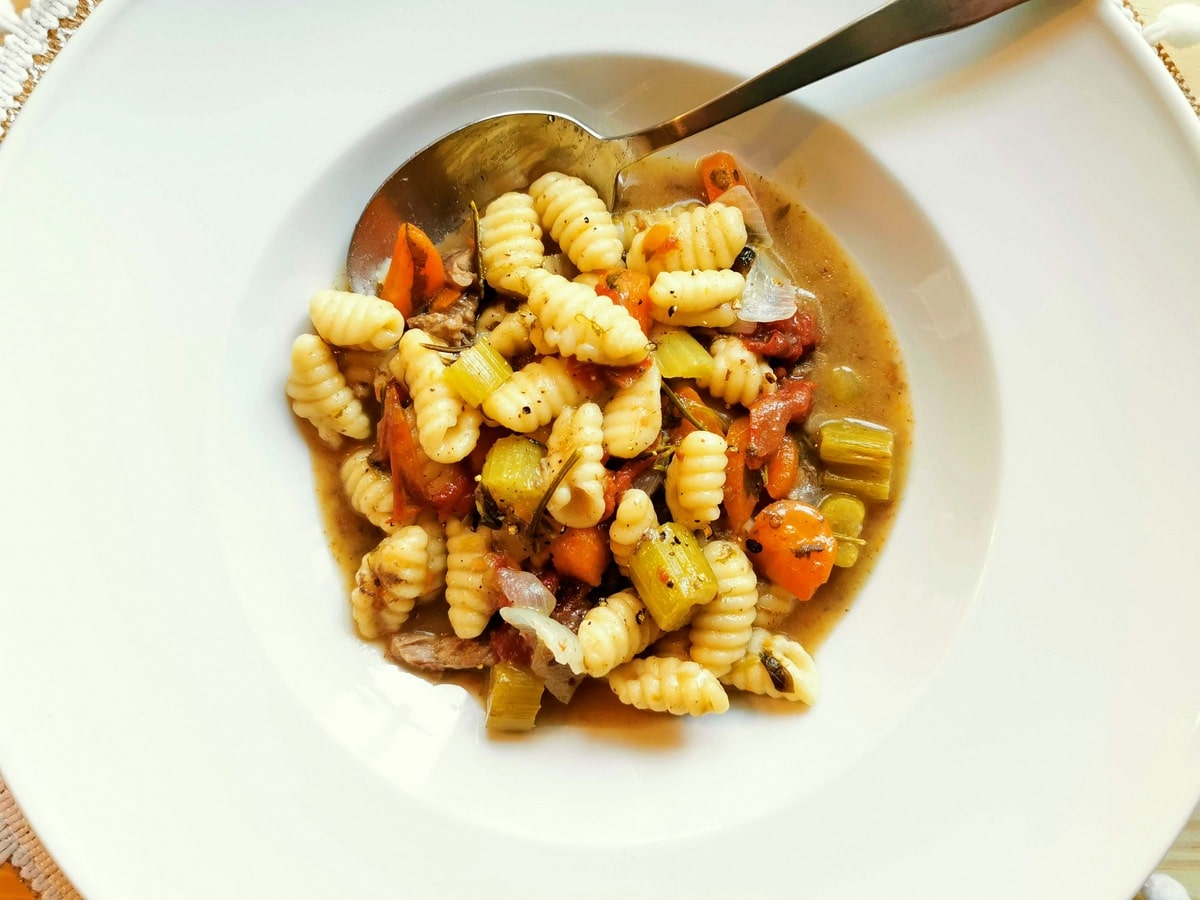
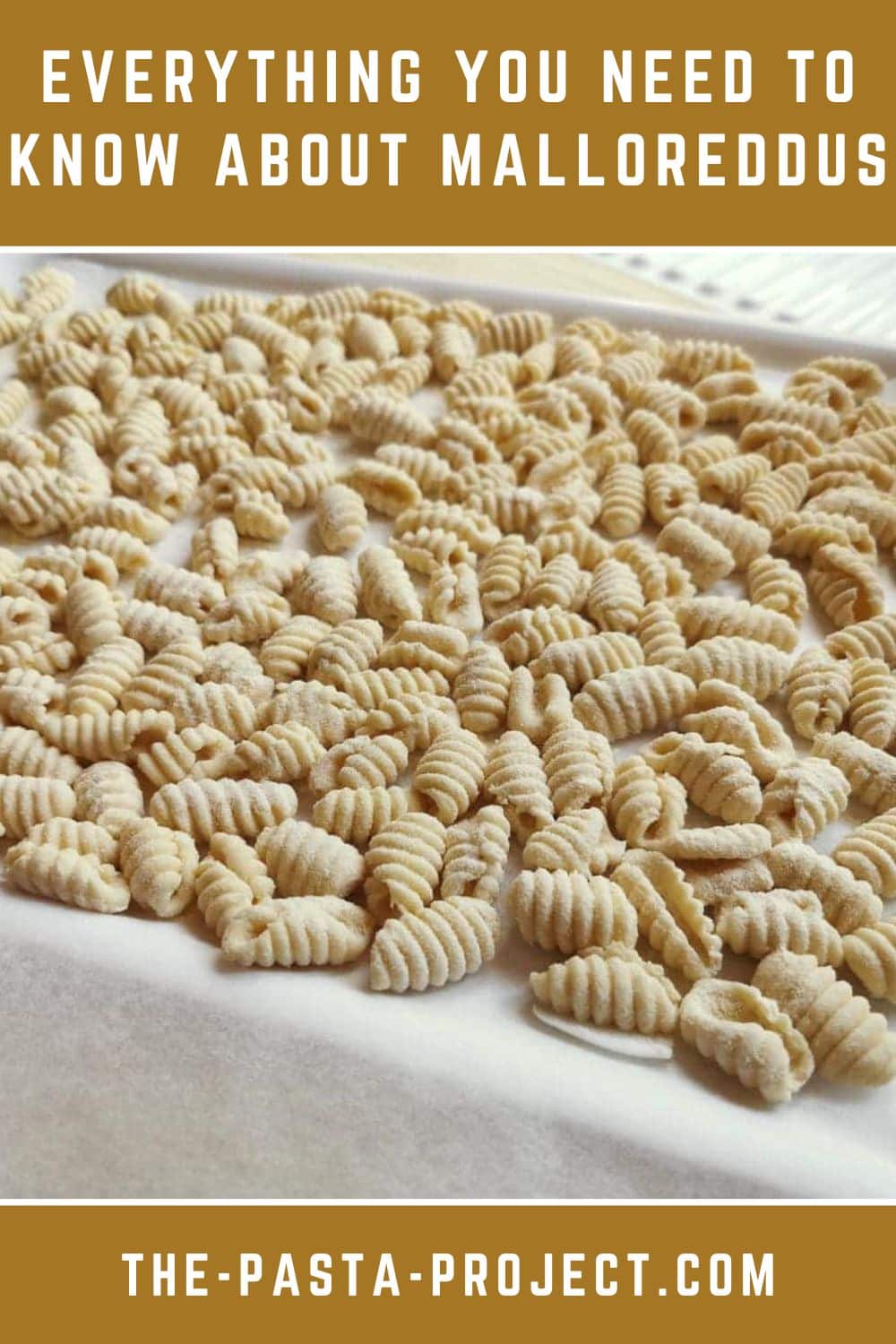
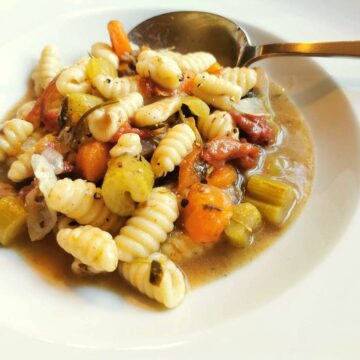
Malloreddus, also known as 'little Sardinian gnocchi' is one of the oldest types of pasta in Sardinian cuisine. Even though some Italians refer to it as gnocchi from Sardinia (gnoccheti sardi), this pasta gets its name from its shape, rather than the ingredients used to make it.

What is Malloreddus?
Malloreddus is a durum wheat semolina pasta that is very traditional in Sardinia. In fact, it's one of the oldest types of Sardinian pasta, said to date back centuries.
There are different opinions on the origins of the name. I have read that ‘malloreddu’ comes from the Latin mallolus and means morsel or little bits.
However, according to Wikipedia, ‘the term malloreddu is a diminutive of malloru, which in Sardinian campidanese dialect (southern Sardinia and central-southern) means bull. Consequently, malloreddus means vitelline (calves).
History and Tradition
Malloreddus is the most prepared pasta in Sardinia for special occasions such as holidays, village festivals, and weddings. In the past, it was traditional for a bride to bring a basket of homemade malloreddus to her new husband's house, and they would eat the pasta together from a shared plate.
Sardinians traditionally hand-rolled the pieces of dough on a round reed basket called 'ciuliri' in the local dialect. Nowadays, most people use a small wooden board that looks like a gnocchi board. However, this is actually called a malloreddus board and is slightly different to the gnocchi one. Although, you can use either.
Ingredients to Make Mallloreddus
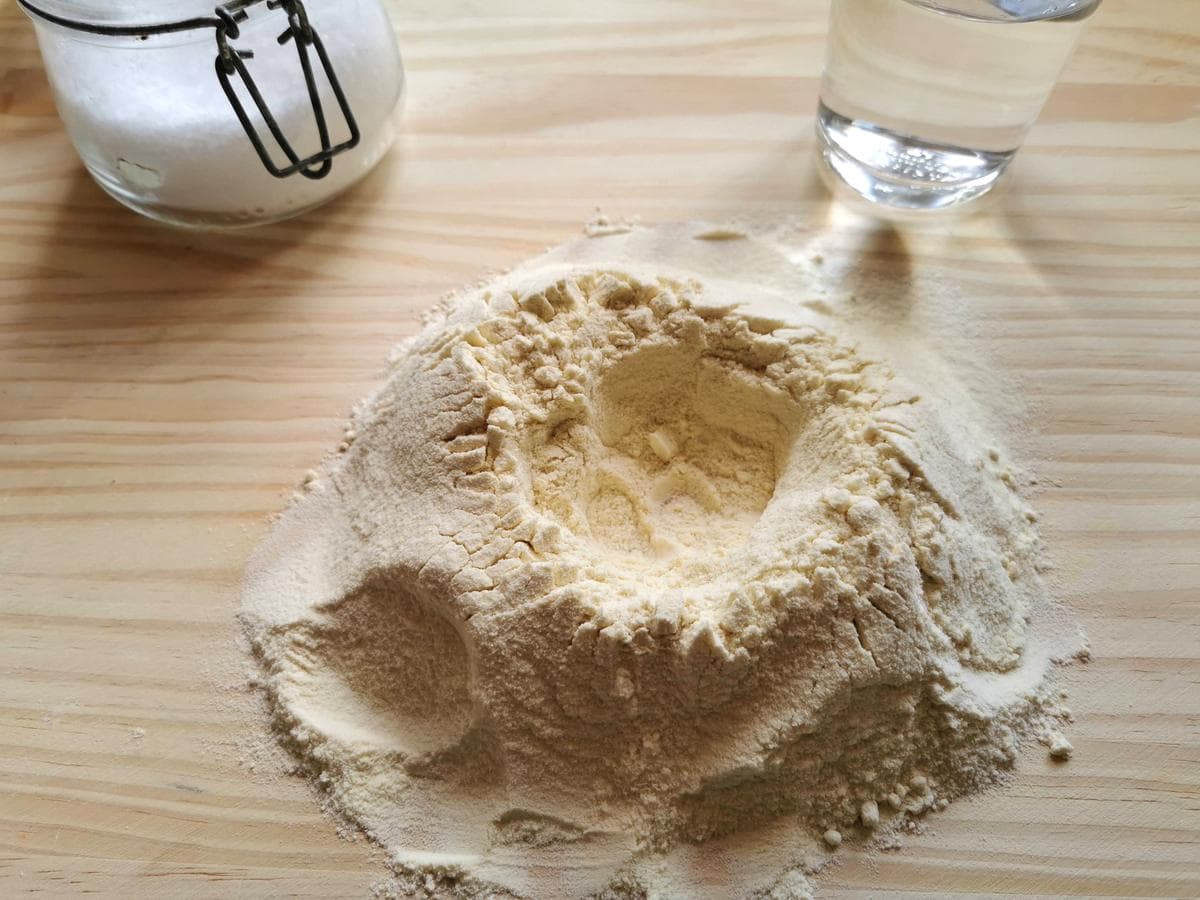
Sardinians make malloreddus using simple ingredients: durum wheat semolina flour (semola di grano duro in Italian), water, and occasionally, a pinch of saffron. The semolina flour has a high gluten content, which helps shape the pasta to its unique shape.
Saffron is less commonly used these days. So, it is not a requirement. However, I think it adds a subtle flavor and color to the pasta.
Preparation
Making malloreddus at home is actually quite easy due to its simple ingredients. You can make it with or without saffron, both being delicious. To make your own Sardinian gnocchi follow these steps or check out my make homemade malloreddus recipe, where you will find exact ingredient quantities.
1) Prepare the Dough: On a board or in a large mixing bowl, sift your durum wheat semolina flour, then create a well in the center. Dissolve a pinch of salt in warm water, and if using saffron, add saffron and leave it to infuse for 30 minutes.
Gradually add this to the flour well. Using a fork or a dough scraper, gently incorporate the water and flour to form a rough dough. If the mixture is too dry, add a bit more water; if it is too wet, sprinkle in some additional flour.
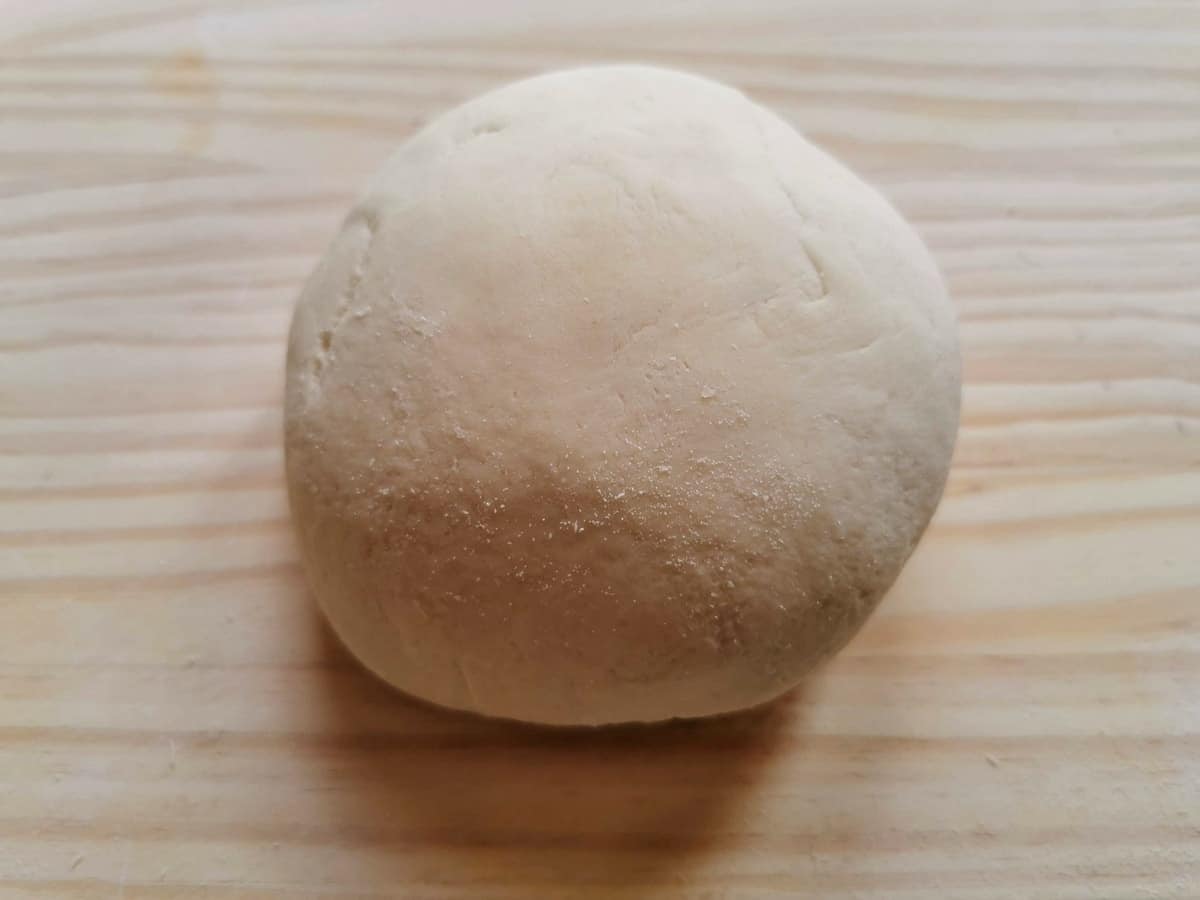
2) Knead the Dough: Work the dough by kneading until it becomes smooth and elastic, roughly around 10 minutes. Once kneaded, shape the dough into a ball, wrap it in plastic wrap, and let it rest for 30 to 60 minutes, allowing the gluten to relax and the dough to become more pliable.
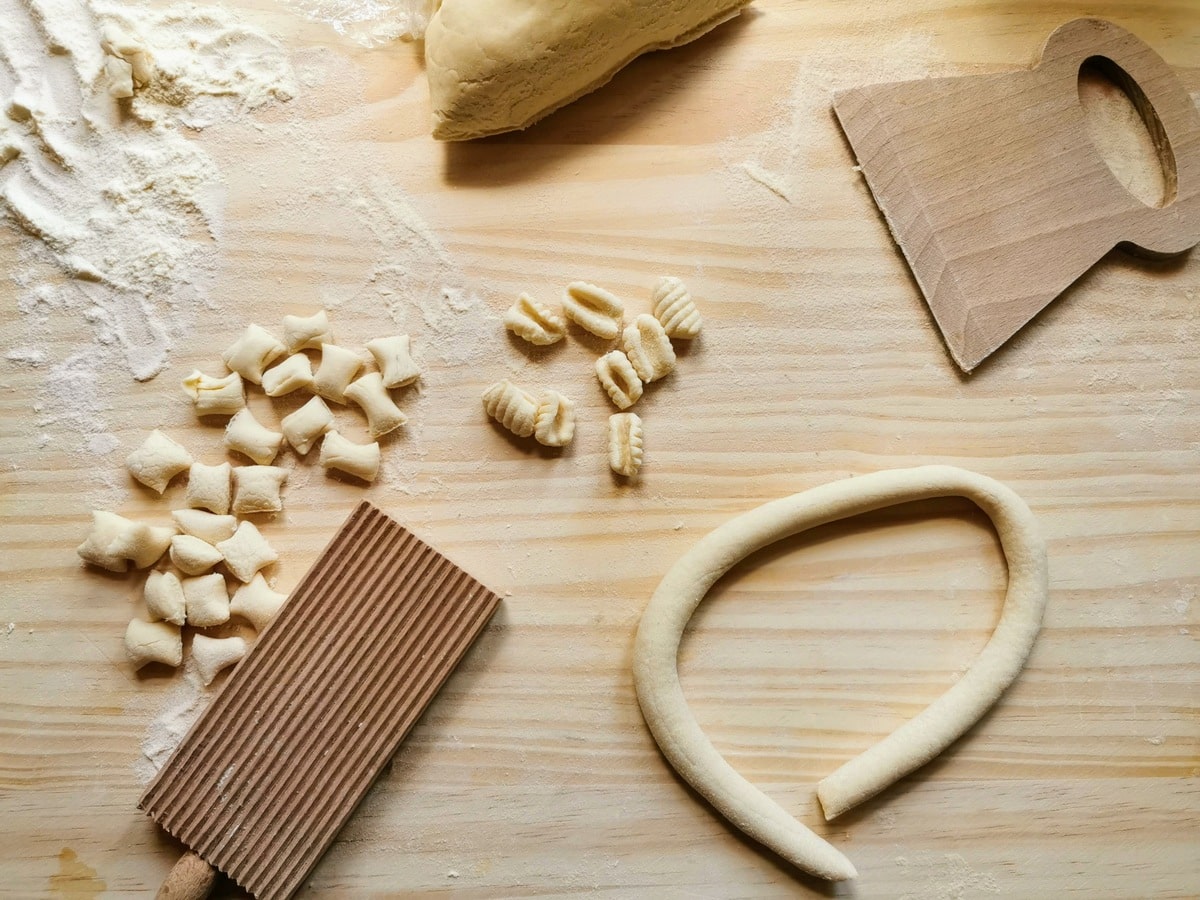
3) Shape the Malloreddus: After resting, take a portion of the dough and roll it out into a snake-like shape, aiming for a thickness of 1-2 cm (approximately 0.4-0.7 inches). Cut this "snake" into pieces of equal length, about 1-2 cm each. To form the distinctive shell shape with ridges, press and roll each piece against a malloreddus board or the back tines of a fork, applying firm pressure with your thumb.
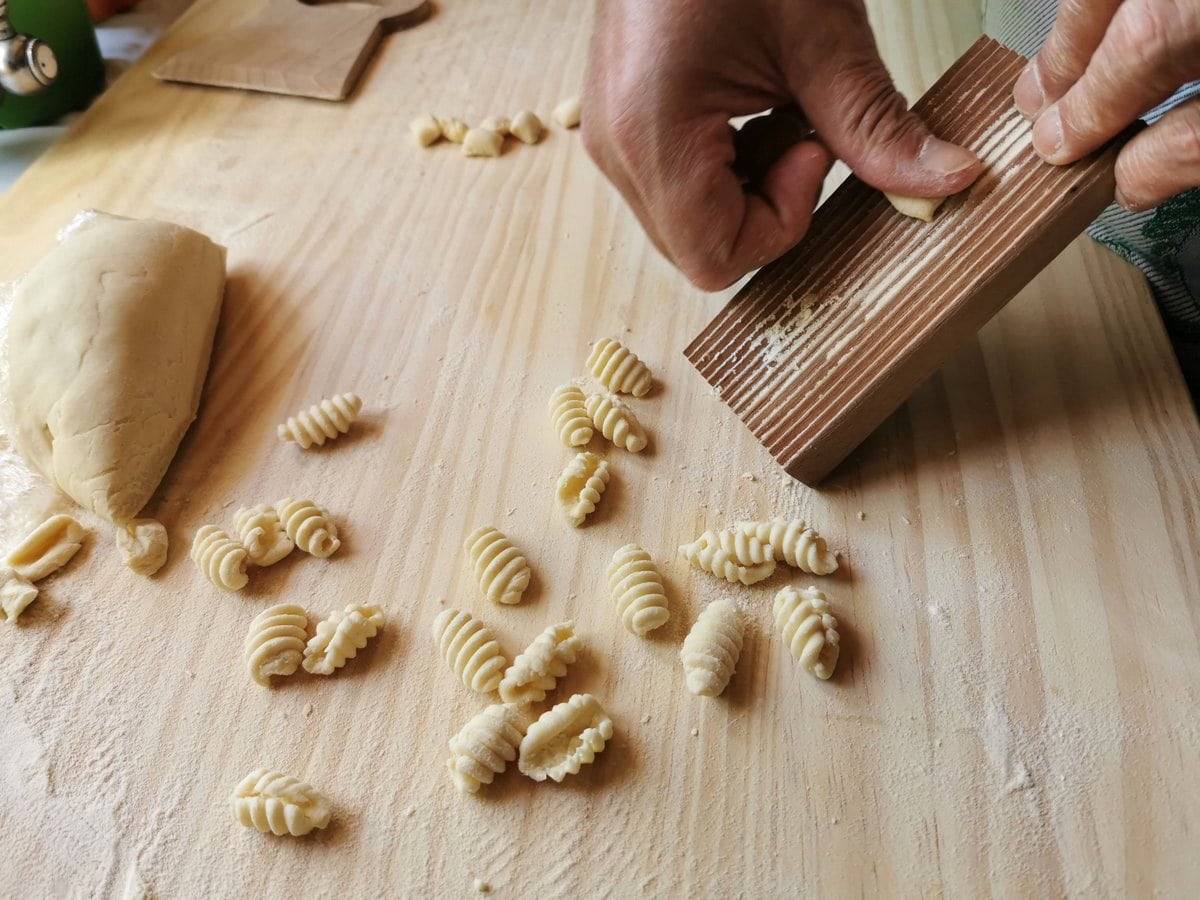
4) Prepare for Cooking: As you shape the malloreddus, place them on a tray or a clean tea towel lightly dusted with semolina flour. This prevents the pasta from sticking.
Cooking Tips
1) Salt the Water: Start with a large pot of water brought to a rolling boil. Be generous with salt — it should taste as salty as the sea.
2) Carefully Boil: Add the malloreddus to the boiling water, stirring gently to prevent them from sticking together. Keep the water at a steady boil to ensure even cooking.
3) Check if Ready: The cooking time will depend on whether your malloreddus is fresh or dried. Fresh malloreddus typically cooks in about 5-10 minutes, depending on how big/thick it is. Begin checking 1 minute before the expected time.
Serving
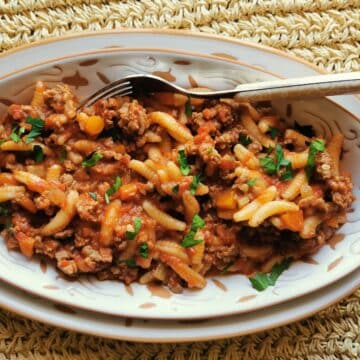
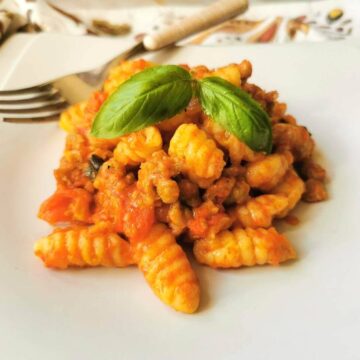
Malloreddus pasta is served with a variety of sauces and there are many recipes for this pasta. Perhaps the most well-known is ‘malloreddus alla campidanese’, a delicious fennel sausage, saffron and tomato sauce that is similar in taste to both Roman amatricana and Neapolitan ragù.
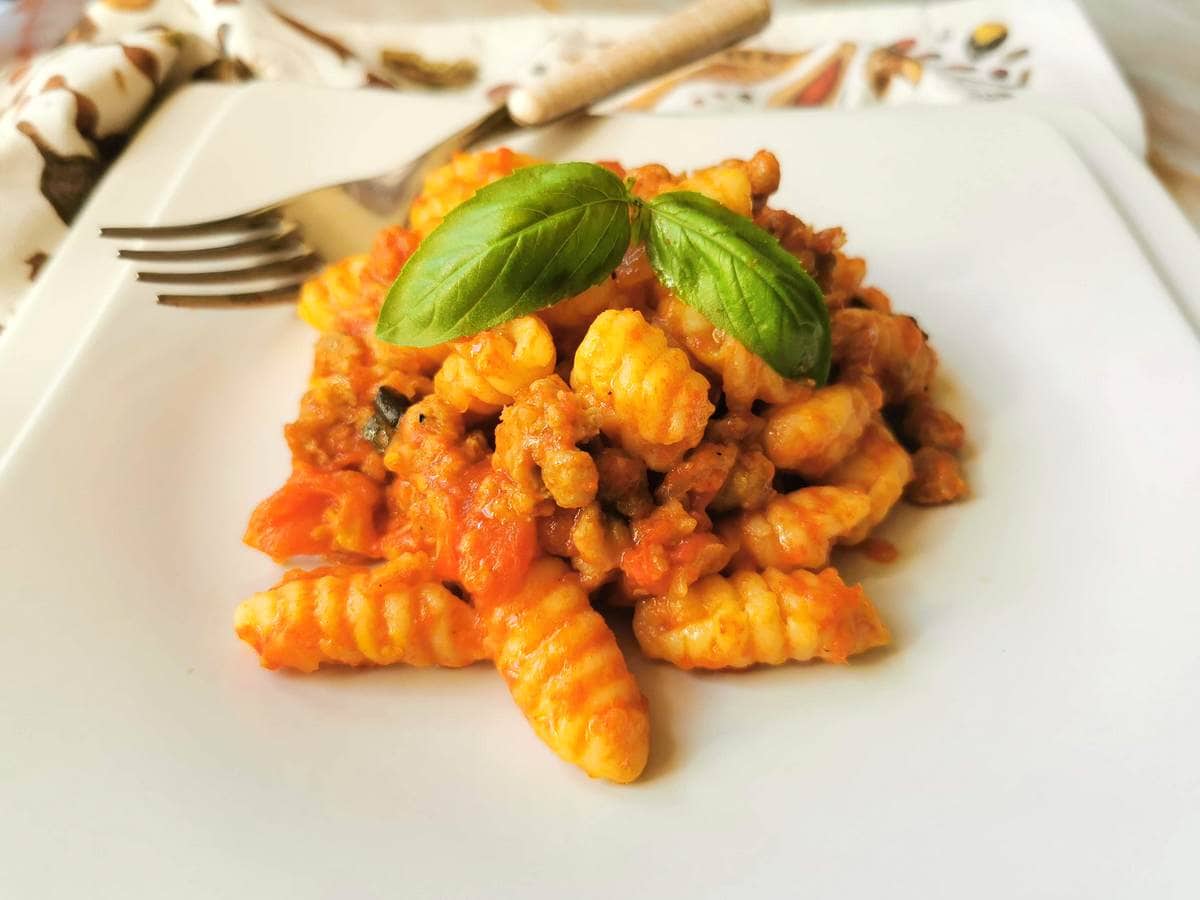
Sardinian gnocchi is also served with bottarga and clams, with seafood such as salmon or shrimp or simply with pecorino and saffron in a dish called malloreddus ‘a casu furriau’.
Another typical recipe for this pasta is ‘malloreddus alla nuorese’, of which there are many versions. However, it often includes sheep's cheese such as ricotta or aged pecorino, potatoes, onions and wild fennel.
Interestingly, this pasta is also eaten ‘alla sassarese’, which is a sauce made from just cream and semolina. I am particularly looking forward to making the latter two recipes mentioned. In the meantime, do check out the malloreddus recipes we have already published.
Some other recipes for Sardinian gnocchi:
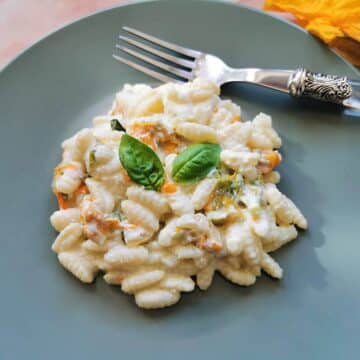
- Malloreddus with ricotta, saffron and zucchini flowers
- Sardinian gnocchi with lamb ragu
- Malloreddus with tuna and pesto alla Carlofortina
- Homemade malloreddus cooked and served in lamb broth
Storage
Fresh malloreddus is best cooked soon after it is made. To store it, lightly flour the pasta to prevent sticking, and place it in an airtight container or a plastic bag. It should last for up to 2-3 days in the refrigerator.
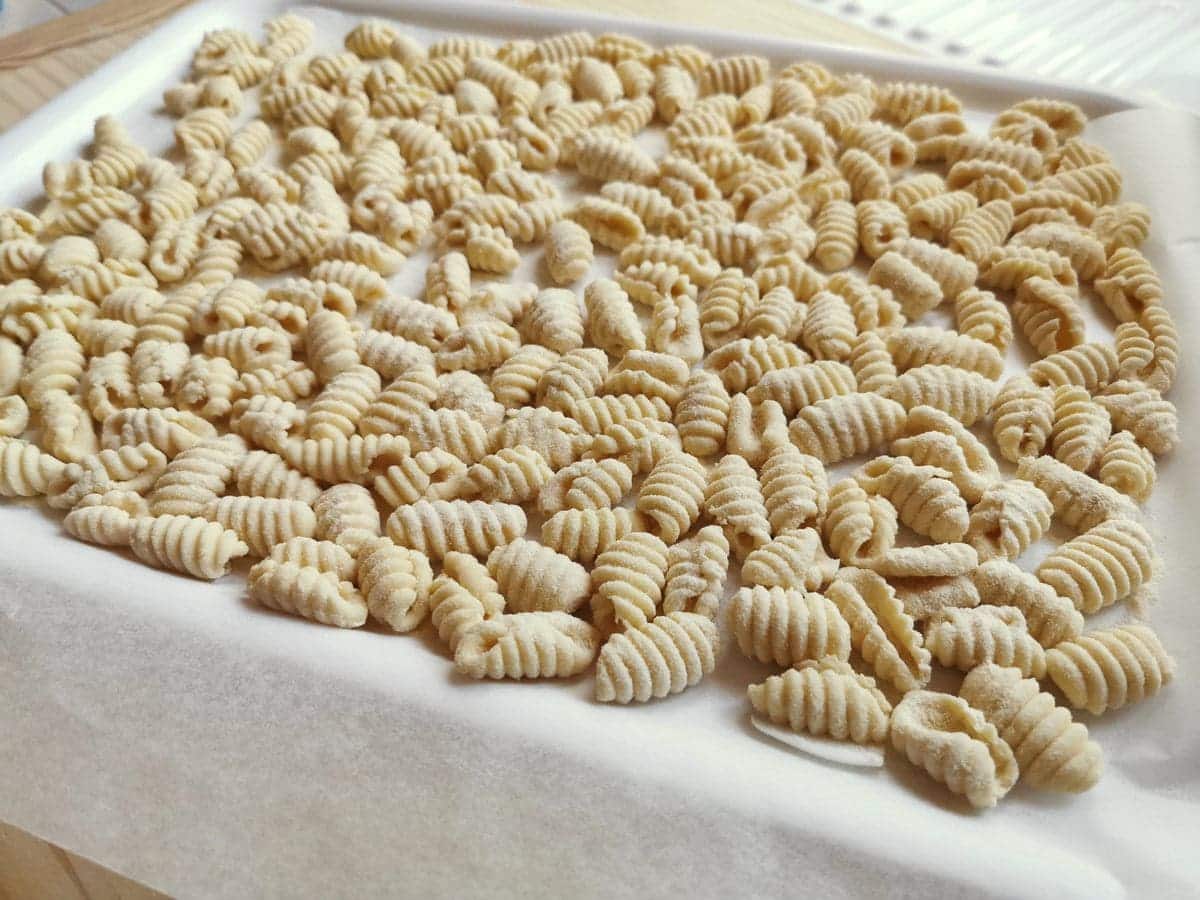
Fresh malloreddus can be frozen for longer storage. Spread the pasta out on a baking sheet to freeze individually, then transfer the frozen pieces into a freezer bag or container.
To store dried malloreddus, keep it in a cool, dry place. Dried malloreddus generally has a long shelf life, with the specific expiration date indicated on the packaging.
FAQs
Yes, you can certainly use the back of a fork to shape your malloreddus. While a malloreddus board provides a consistent ridged pattern, a fork can also create grooves that help sauces cling to the pasta. Simply press and roll each piece of dough along the fork's tines to achieve the texture.
Saffron is not strictly necessary but adds a traditional flavor and color to the pasta. If you prefer not to use saffron or can't find it, you can still make delicious malloreddus without it.
Absolutely! Freeze malloreddus on a baking sheet until solid, then transfer to a freezer-safe bag or container. Frozen malloreddus can be cooked directly from the freezer; just add an extra minute or two to the boiling time.
Conclusion
Malloreddus is a very interesting pasta with ancient roots. You will only find it made in Sardinia. Its unique shape and ridges make it excellent at catching sauces, making it a versatile pasta type.
Although dried malloreddus isn't widely available in normal stores outside of Italy, it's becoming more popular and well-known. You can probably find it online or in Italian specialty food shops.
Alternatively, it's quite easy to make and is definitely worth making at home. You will be sure to pleasantly surprise your dinner guests.
Pin for Later:
If you are interested in learning how to make homemade pasta and different types of gnocchi, check out my shop page for some great video online courses from my friends in Rome! Nothing beats learning to make pasta from Italians! Plus, while you’re there, why not order a copy of one of my pasta recipe cookbooks or check out some recommended pasta-making tools?
If you found this article interesting or helpful, please let me know in a comment here on the blog or on The Pasta Project Facebook page.
Looking forward to hearing from you.
Tell us what you think